Leave Your Message

Why is Quartz Reactor Essential for Modern Semiconductor Manufacturing?

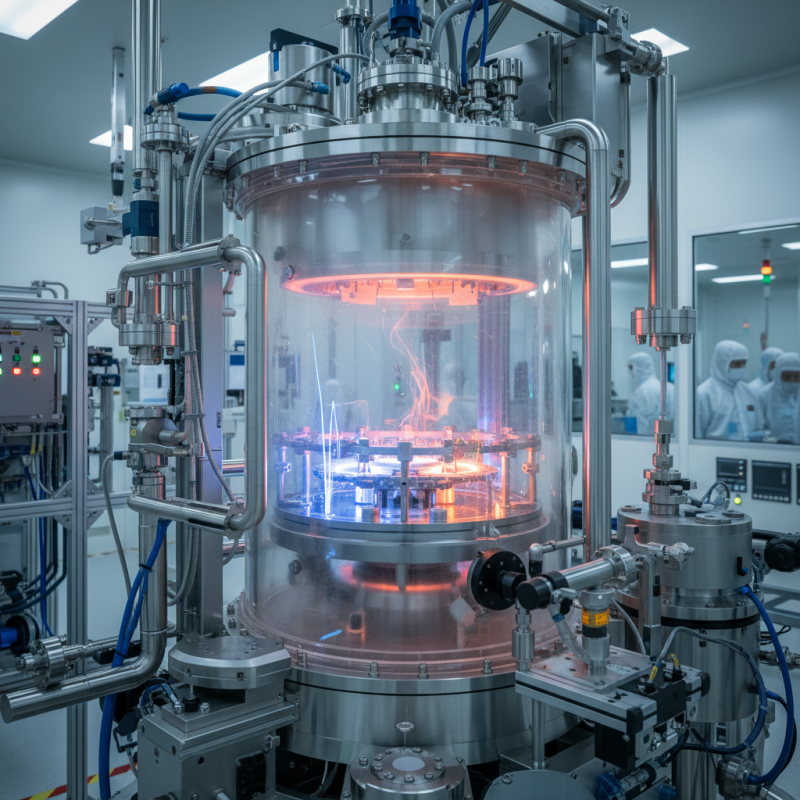
In the fast-paced world of semiconductor manufacturing, efficiency and precision are crucial. The "Quartz Reactor" plays a vital role in this process. It provides a stable environment for chemical reactions critical to producing chips. Using quartz materials ensures high thermal resistance and chemical purity, essential for maintaining quality.

When managing high temperatures and corrosive chemicals, quartz is irreplaceable. It withstands harsh conditions while ensuring minimal contamination. This reliability contributes to better yields and performance in semiconductor production. Researchers and engineers continually explore the potential advancements in quartz reactor designs. This innovation could lead to more efficient manufacturing methods.

However, there are challenges. As technology evolves, so do the demands on quartz reactors. Manufacturers must adapt to tighter specifications and new materials. The impact of these advancements on long-term durability remains an area for further investigation. Understanding the complexities of quartz reactors is critical for staying at the forefront of semiconductor technology.
Why is Quartz Reactor Essential for Modern Semiconductor Manufacturing?

Understanding Quartz Reactors in Semiconductor Fabrication

Why is Quartz Reactor Essential for Modern Semiconductor Manufacturing?

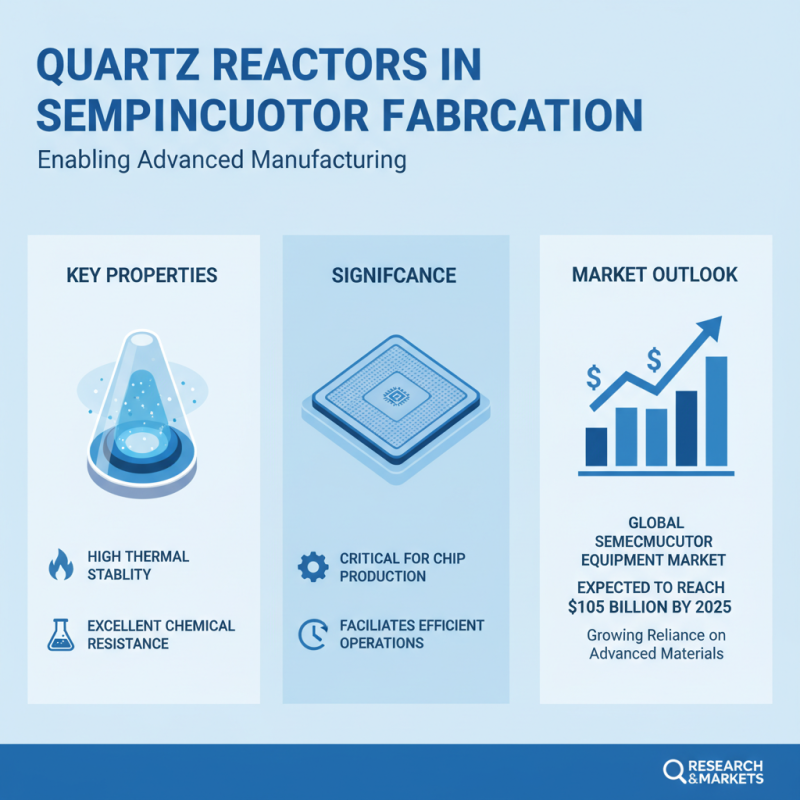
Quartz reactors have become a cornerstone in semiconductor fabrication processes. Their significance arises from several critical properties, including high thermal stability and excellent chemical resistance. According to a recent market report from Research and Markets, the global semiconductor manufacturing equipment market is expected to reach $105 billion by 2025, emphasizing the growing reliance on advanced materials like quartz for efficient operations.

In semiconductor manufacturing, quartz reactors provide an environment free from contamination. This purity is crucial, as even minor impurities can greatly affect yield. The ability of quartz to withstand high temperatures, often above 1000°C, allows for various chemical reactions necessary in processes like chemical vapor deposition (CVD). A study by SEMI highlighted that companies lose up to 30% of production capacity due to equipment contamination, which underscores the importance of reliable materials like quartz.

However, despite their advantages, quartz reactors can pose challenges. They are vulnerable to thermal shocks and require careful handling to avoid damage. Improper use could lead to failures that disrupt the manufacturing process. Understanding these limitations is essential for maintaining production efficiency. As the semiconductor industry grows, the demand for quartz reactors will likely increase, shaping future innovations in semiconductor technologies.
Role of Quartz Reactors in High-Temperature Processing

Why is Quartz Reactor Essential for Modern Semiconductor Manufacturing?

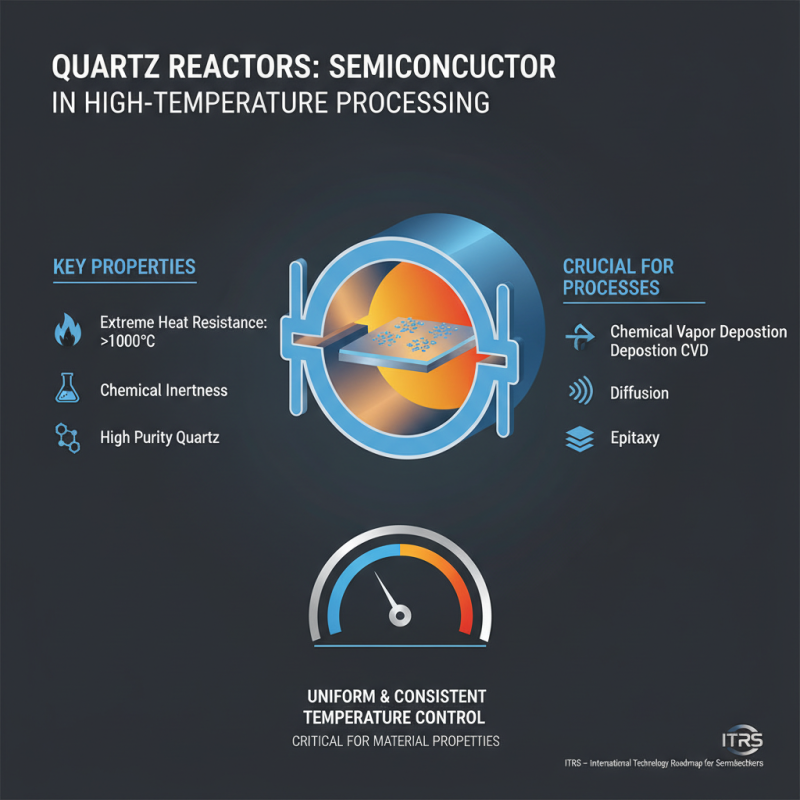
Quartz reactors play a pivotal role in high-temperature processing within the semiconductor manufacturing industry. These materials can withstand extreme heat, reaching temperatures above 1000°C. This durability is essential for processes like chemical vapor deposition (CVD) and diffusion, which are crucial for creating advanced semiconductor devices. According to a recent report by the International Technology Roadmap for Semiconductors (ITRS), uniformity and consistency in temperature control are critical for achieving desired material properties. Quartz reactors provide this reliability.

In addition to thermal stability, quartz reactors offer excellent chemical resistance. They minimize contamination during fabrication, which can significantly impact device performance. Research indicates that even minor impurities can reduce semiconductor efficiency by up to 15%. As such, reliance on quartz reactors is also about maintaining pristine environments. Manufacturers must frequently evaluate and replace wear-prone components. Some industry experts argue that this maintenance can lead to increased downtime and costs, challenging production schedules.

Despite their advantages, quartz reactors aren't without limitations. They can be susceptible to thermal shock, which can affect performance longevity. Observing best practices in handling can mitigate these risks. Nevertheless, not all facilities have the same standards, and discrepancies in quality assurance can lead to failure in achieving optimal results. The semiconductor sector must continuously adapt, addressing these challenges to leverage quartz technology effectively.

Benefits of Using Quartz Reactors for Material Purity

In semiconductor manufacturing, maintaining material purity is crucial. Quartz reactors provide an excellent solution for this challenge. They resist contamination during chemical processes. The non-reactive nature of quartz ensures that no unwanted elements are introduced. This characteristic makes quartz reactors vital in the fabrication of high-purity materials.

The high thermal stability of quartz is another advantage. It can endure extreme temperatures without degrading. This stability is essential for processes that require precise thermal control. By using quartz reactors, manufacturers can maintain the integrity of their materials. However, the initial cost of quartz equipment can be high. Some companies may hesitate due to budget constraints.

Another point to consider is the cleaning process of quartz reactors. While they offer purity advantages, they also require careful maintenance. Any residue left behind can affect the next batch of materials. Striking a balance between efficiency and thorough cleaning can be challenging. Nonetheless, the benefits of using quartz reactors often outweigh these hurdles. Enhanced material purity leads to better performance of semiconductor devices.

Benefits of Quartz Reactors in Semiconductor Manufacturing

This chart illustrates the key benefits of using quartz reactors in semiconductor manufacturing, highlighting their importance in ensuring material purity, thermal stability, chemical resistance, cost efficiency, and process consistency.

Impact of Quartz Reactor Technology on Yield and Efficiency

The quartz reactor plays a pivotal role in semiconductor manufacturing. Its design facilitates high temperatures and chemical stability. These characteristics enhance the deposition processes necessary for creating intricate microchip layers.

The technology significantly impacts yield and efficiency. With precise control over temperature and reactions, manufacturers can achieve higher material purity. This reduces defects and increases overall productivity. However, challenges remain. For instance, maintaining uniformity across large batches is complex. Small variations can lead to significant performance issues, which is concerning for sensitive applications.

Additionally, while quartz reactors are efficient, they can be costly. Upfront investments require careful consideration. As the industry evolves, ongoing improvements in quartz technology will be essential. Evaluating these advancements will ensure they meet future manufacturing challenges while maximizing yield and efficiency.

Future Innovations in Quartz Reactor Design for Semiconductors

The design of quartz reactors is evolving rapidly in the semiconductor industry. Innovations aim to enhance efficiency and reduce costs. Recent reports indicate that the global semiconductor market is expected to reach $1 trillion by 2030. This growth pushes for more advanced manufacturing equipment and techniques, particularly regarding quartz reactors.

New designs focus on improving temperature stability and chemical resistance. Some research highlights that maintaining precise conditions within the reactor can lead to up to a 30% increase in yield. Advanced manufacturing processes require materials that can withstand harsh environments while minimizing contamination risk. These innovations reflect a need for a balance between performance and reliability.

The integration of AI and machine learning in reactor monitoring presents exciting opportunities. Real-time data analytics could predict failures before they happen. However, this raises concerns about dependency on technology. Will the industry maintain adequate expertise alongside these automated systems? As quartz reactors continue to evolve, the focus must remain on maintaining quality and advancing design without compromising standards.

Why is Quartz Reactor Essential for Modern Semiconductor Manufacturing? - Future Innovations in Quartz Reactor Design for Semiconductors

Parameter Value Significance
Temperature Control ±1 °C Ensures uniform material deposition
Material Composition High-Purity Quartz Prevents contamination during processes
Reactor Lifespan 5 Years Reduces cost of replacements
Operating Pressure 1-2 atm Enhances gas flow and reaction rates
Gas Delivery System Mass Flow Controllers Precise control over reactant flow
Cooling System Cryogenic Cooling Improves cooling efficiency and sustainability