How to Use Silica in Glass Production for Optimal Results?
The production of glass is an intricate process heavily reliant on the quality and purity of its key raw material: silica. Silica in glass formulation not only affects the finished product's clarity but also its strength and thermal resistance. According to a recent industry report by the Glass Manufacturing Association, approximately 70% of glass products consist of silica. This statistic underscores the vital role of silica in achieving optimal glass production results.
Dr. Emily Hart, a renowned expert in material science, emphasizes the critical nature of silica in this context. She states, "The purity and quality of silica directly influence the durability and optical properties of glass." This statement reinforces the necessity for manufacturers to select high-quality silica to ensure superior glass products. However, challenges remain in sourcing and maintaining consistency in silica quality, which can directly impact production efficiency and final product performance.
The glass industry continues to evolve, with innovations in silica processing and applications. Yet, many manufacturers still underutilize available technology. This reflects a gap that can lead to inefficiencies. It is essential for producers to address these challenges to enhance their glass production processes meaningfully. As the industry grows, a reevaluation of practices regarding silica in glass will be crucial for sustainable advancement.

Understanding Silica: Its Role in Glass Production
Silica, mainly in the form of quartz, is vital in glass production. Its high melting point and chemical stability make it ideal for crafting various glass types. Silica accounts for about 70-75% of most glass compositions. This high purity level is necessary for achieving clarity and durability. Impurities can affect the color and strength of the final product.
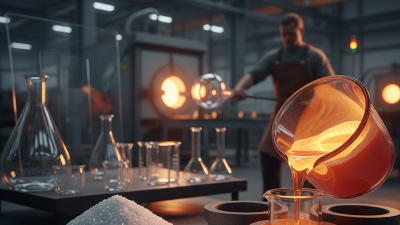
In the melting process, silica requires a temperature of around 1700°C. Achieving this requires efficient energy use. If the silica isn’t pure, the energy cost rises due to longer melting times. The addition of flux materials, like soda ash, helps lower the melting point. However, balancing these materials is crucial. An incorrect mixture can lead to flaws.
Understanding silica's role extends to its source. The quality of silica sand influences the glass's properties. Different types of silica can produce varied results. Some may enhance transparency, while others might affect thermal resistance. Producers may need to experiment with various silica types to find optimal solutions. Exploring these factors can reveal insights for both efficiency and quality. Glass production is science but also an art that requires careful consideration.
Types of Silica Used in Glass Manufacturing
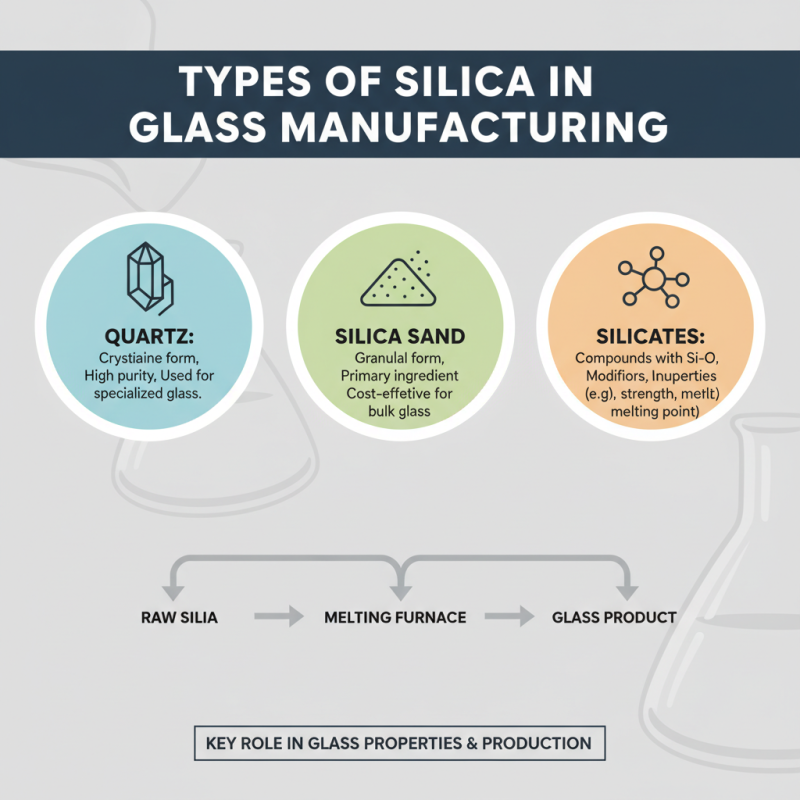
Silica plays a critical role in glass manufacturing. Different types of silica are utilized, affecting the glass properties and production processes. The primary forms of silica include quartz, silica sand, and silicates. Each type has distinct characteristics that impact the final product.
Quartz is the most common form, known for its high purity and melting temperature. According to industry data, over 80% of glass is produced using quartz because it offers excellent thermal stability. Silica sand is another essential type, containing a blend of quartz and other materials. Its availability and cost-effectiveness make it a go-to choice for many manufacturers. Silicates, derived from silicon dioxide, are often used in specialty glasses, providing unique properties.
Tips: When selecting silica, consider the glass application. High-purity quartz is ideal for electronics, while silica sand suits basic glass products. Regularly test silica quality to avoid inconsistencies in production. Be mindful that not all silica sources are created equal, and impurities can affect glass clarity.
Ultimately, the type of silica determines the efficiency and quality of the glass. Manufacturers need to assess their specific requirements and choose silica types that complement their production strategies. This decision can have lasting impacts on product performance and customer satisfaction.
Optimal Silica Properties for High-Quality Glass
Silica plays a pivotal role in glass production. Its properties significantly affect the quality of the final product. High-purity silica, with minimal impurities, is essential. This ensures clarity in the glass. Impurities can lead to defects. These may appear as bubbles or discoloration.
Granulation of silica is another vital factor. The particle size should be uniform for an even melt and smooth surface. Coarser particles can cause uneven heating in the furnace. This often leads to inconsistent glass quality. Furthermore, the silica must possess a specific level of thermal stability. This characteristic prevents deformation during high-temperature processing.
Using silica with proper characteristics results in durable glass. However, finding the right source can be challenging. Not all silica is created equal. Local resources might contain varying impurity levels. Testing and quality assessment are crucial steps. These processes help ensure optimal results in glass production. Each batch must be examined for consistent quality. This is an ongoing challenge in the industry.
Silica Properties Impact on Glass Quality
Processing Techniques: Incorporating Silica in Glass Mixtures
Incorporating silica into glass production is crucial for achieving optimal results. Silica serves as the primary component in glassmaking. When mixed with other raw materials, its properties can enhance the quality of the final product. Silica's purity and consistency are essential. Impurities can lead to defects.
Processing techniques significantly impact the effectiveness of silica in glass mixtures. For instance, the particle size of silica affects the melting process. Finer particles can improve homogeneity in the mixture, but excessive fineness might lead to clumping. It's essential to balance the size to ensure smooth processing.
Using various additives can also influence silica's role in glassmaking. While additives like alumina can increase durability, their proportions must be carefully monitored. Too much can alter the glass's clarity and color. Effective glass production requires ongoing experimentation and adjustment. The path to perfection is often marked by trial and error. Each batch presents new challenges, keeping manufacturers on their toes.
How to Use Silica in Glass Production for Optimal Results?
| Silica Type |
Purity (%) |
Particle Size (µm) |
Usage Percentage in Batch (%) |
Effect on Glass Quality |
| Natural Silica Sand |
99.5 |
100-200 |
60-70 |
Enhances clarity and durability |
| Fused Silica |
99.8 |
5-30 |
20-30 |
Improves thermal shock resistance |
| Colloidal Silica |
99.9 |
0.02-0.1 |
5-10 |
Enhances surface smoothness |
| Quartz Powder |
99.0 |
10-150 |
50-60 |
Enhances structural integrity |
| Soda-Lime Silica |
98.5 |
30-100 |
70-80 |
Reduces melting temperature |
Quality Control Measures for Silica in Glass Production
Quality control is critical in glass production, especially regarding silica. Silica is a primary component in glass manufacturing, accounting for about 70-75% of the raw materials. It's essential to ensure the silica used meets specific purity and size requirements to prevent defects in the final product.
One key measure includes conducting regular particle size analysis. This can help identify inconsistencies in the silica feed, impacting melting efficiency and glass clarity. Industry reports suggest that silica particles should ideally range between 0.1 to 1.0 mm, optimizing flow and melting. Additionally, impurities like iron compounds should be kept below 0.02% to avoid discoloration, thus maintaining product quality.
Tips for maintaining silica quality:
- Regularly test silica samples to monitor purity. This helps catch potential issues early.
- Keep detailed records of all quality control tests. Analysis trends can provide insights into long-term quality.
- Consider environmental factors. Silica can absorb moisture, impacting its performance. Proper storage is vital.
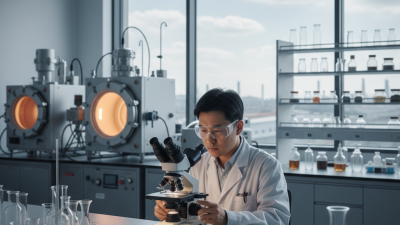
Monitoring the quality of silica isn't always straightforward. Variability in natural silica sources can lead to inconsistencies. Re-evaluating sourcing strategies or conducting more frequent checks can minimize risks. Testing methods should also evolve with technological advancements, ensuring the highest reliability in quality control.